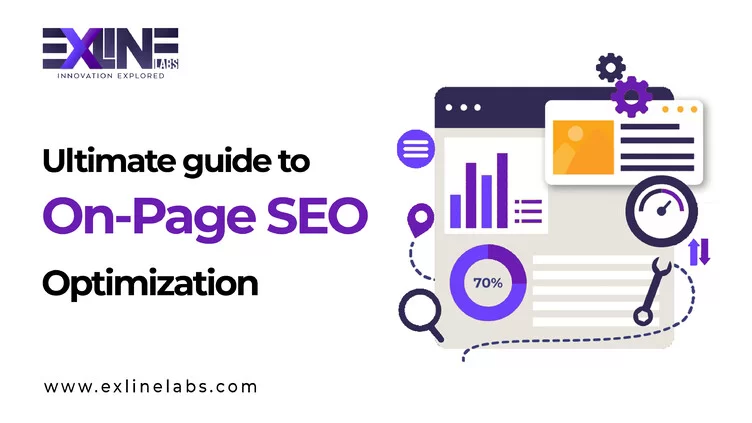
On-page SEO is an essential aspect of optimizing your website for search engines. It refers to the optimization of individual web pages to rank higher and earn more relevant traffic from search engines. In this guide, we will cover the basics of on-page SEO and provide a step-by-step guide to optimizing your pages for better rankings and increased visibility.
Step 1: Title Tag Optimization
The title tag is one of the most important on-page SEO elements. It tells search engines what your page is about and is usually displayed in the search engine results pages (SERPs) as the title of your page. To optimize your title tag:
- Keep it concise and accurately describe the content of your page.
- Include your primary keyword.
- Make sure the title is less than 60 characters to ensure it doesn’t get truncated in the SERPs.
Step 2: Meta Description Optimization
The meta description is a brief summary of your page’s content that appears in the SERPs. To optimize your meta description:
- Write a compelling and descriptive summary of your page’s content.
- Include your primary keyword.
- Keep it under 155 characters to ensure it doesn’t get truncated in the SERPs.
Step 3: Header Tag Optimization
Header tags (H1, H2, H3, etc.) help structure your content and provide a hierarchy for search engines to understand the importance of different sections of your page. To optimize your header tags:
- Use the H1 tag for the main title of your page.
- Use H2, H3 and other header tags to indicate subheadings.
- Make sure your header tags accurately describe the content they contain.
Step 4: Content Optimization
The content on your page is one of the most important on-page SEO elements. To optimize your content:
- Make sure it is high-quality, relevant and includes your primary keyword.
- Optimize it for both users and search engines by using header tags, bullet points, and short paragraphs.
- Avoid keyword stuffing and focus on providing valuable information to users.
Step 5: Keyword Density Optimization
Keyword density refers to the number of times your keyword appears in relation to the total number of words on your page. To optimize your keyword density:
- Aim for a keyword density of 1-2% on your page.
- Don’t overuse your keyword as this can negatively affect your rankings.
Step 6: Image Optimization
Images can help break up text and make your content more visually appealing. To optimize your images:
- Use descriptive file names and alt text to help search engines understand what the image is about.
- Compress images to reduce their size and improve page load times.
Step 7: Internal Linking
Internal linking is the process of linking from one page on your site to another. To optimize your internal linking:
- Link to other relevant pages on your site to help distribute page authority and link juice.
- Use descriptive anchor text to help users and search engines understand the content of the linked page.
Step 8: URL Structure Optimization
The URL structure of your page is another important on-page SEO element. To optimize your URL structure:
- Keep it simple and descriptive.
- Include your primary keyword.
- Avoid using special characters and keep your URLs short.
In conclusion, on-page SEO optimization is a critical aspect of improving your website’s ranking and visibility in search engines. By focusing on the elements mentioned above, you can optimize your website and increase its chances of ranking higher in the SERPs. While on-page SEO optimization is important, it should be used in conjunction with other SEO techniques, such as link building and technical optimization, for the best results.
Ready to take your website’s visibility to the next level? Implementing these on-page SEO techniques can make a substantial difference in your search engine rankings. However, if you’re looking for personalized guidance and support to ensure your website reaches its full potential, don’t hesitate to reach out to us. Our team at Exline Labs is here to help you navigate the intricacies of on-page SEO and other optimization strategies. Let’s work together to elevate your online presence and drive meaningful results. Contact us today to get started.