Extending a Shopify store into a mobile app that lifted weekly orders by 60%
About the Client.
TheCanvasWorks.ie is an Ireland-based custom photo printing and wall art business, selling canvas prints, framed artwork, photo collages, wood blocks, and travel posters, all produced in house. Online sales are the primary revenue channel, running on a bespoke Shopify site that already handled customisation, checkout, payments, and order management competently. As repeat custom and mobile traffic grew, the gap was not capability. It was that mobile customers wanted a faster way to reorder.
08
Weeks from kick-off to production launch60%
Increase in weekly orders35%
Of total orders now placed through the app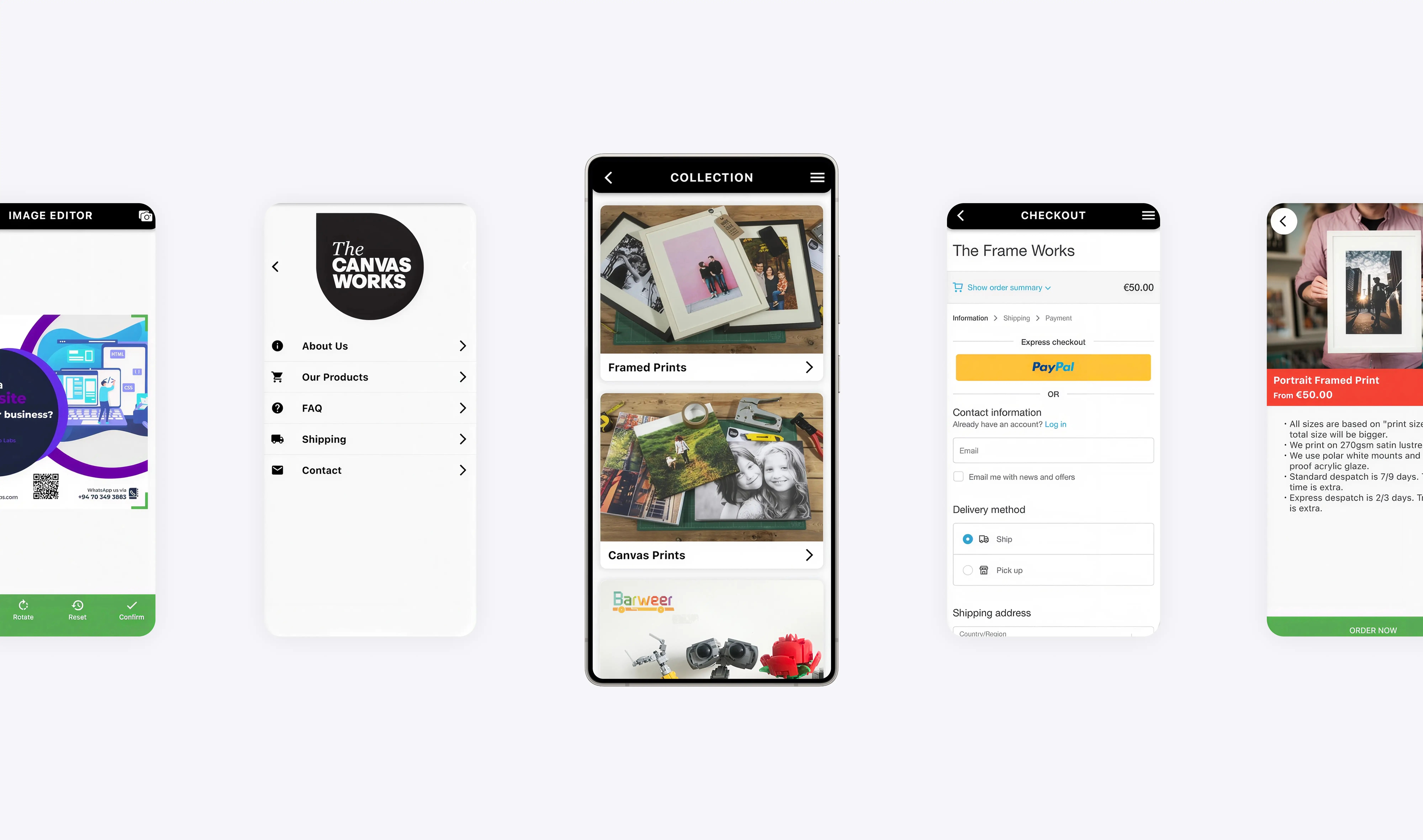
The decisions that shaped the product
01
Extend what works rather than rebuild it
The Shopify setup already handled products, orders, customers, and inventory properly. We built the app against Shopify's APIs rather than introducing a second backend, so the business logic the client had already paid for kept doing its job.
02
One admin panel, not two
A separate app backend would have meant staff managing orders in two places, which is how operational mistakes start. The website and the app run from the same admin, so nothing changed about how the business is run internally.
03
Not a wrapped website
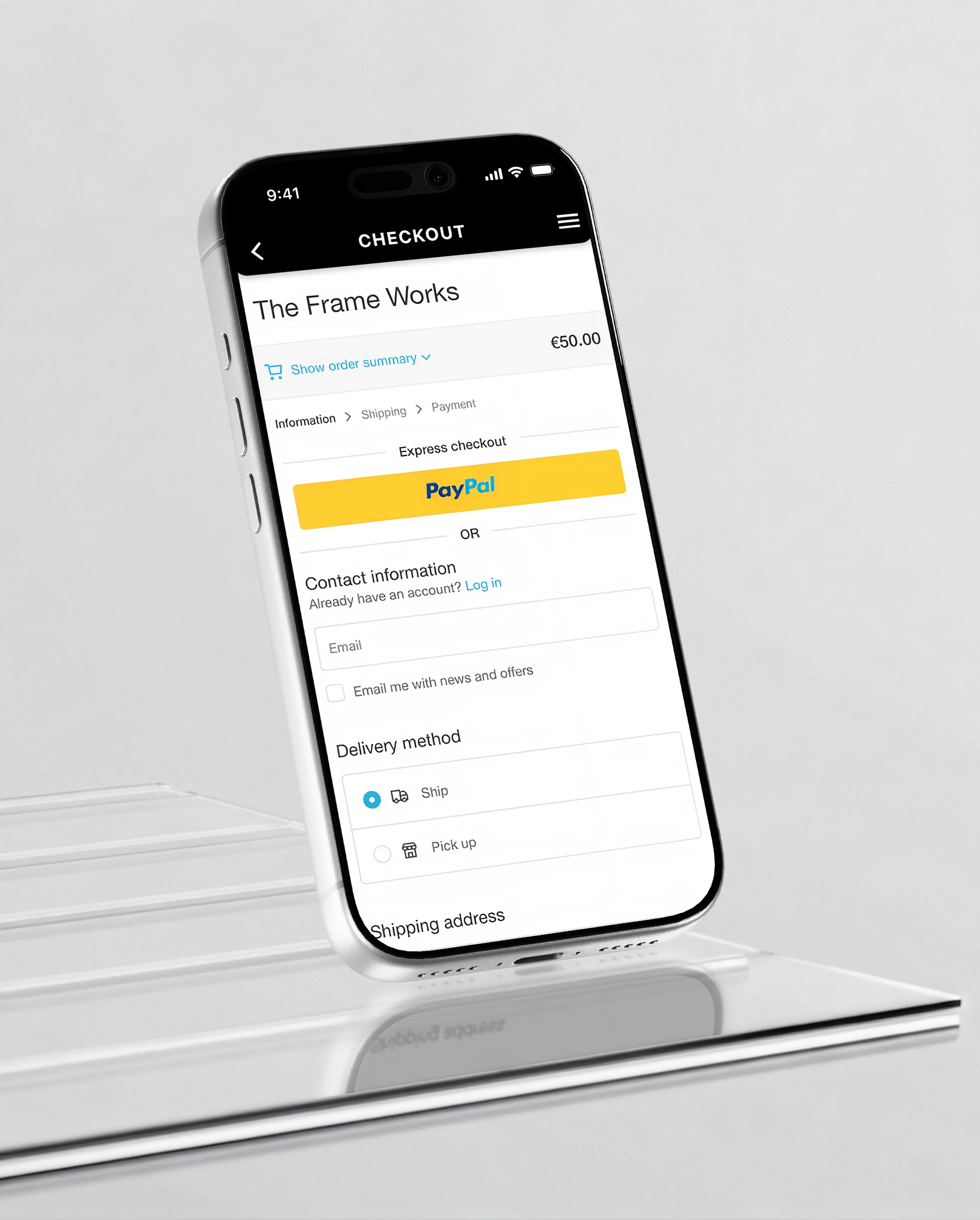
The app had to feel purpose-built. Functionality mirrors the site, but the flows do not: fewer steps in product personalisation, larger touch controls, a shorter checkout for repeat buyers, and a spare visual hierarchy. Wrapping the site would have been faster and would have produced something customers abandoned.
04
Flutter, chosen for the timeline and what comes after
One codebase covering iOS and Android delivered both platforms inside a strict timeline, with consistent interfaces and lower iteration cost later. The architecture keeps UI, logic, and integrations cleanly separated, so it was built to be extended rather than experimented on.
Our process that built a scalable solution
Sprint 0: architecture and UX settled first
Before any feature work, the integration architecture was agreed and the mobile user journeys finalised. On a project extending a live revenue channel, the decisions that are expensive to reverse all sit at the start.
Sprints 1 to 4: core features, built incrementally
Features were built and reviewed in sequence rather than assembled at the end, with the client seeing progress throughout. Trading continued uninterrupted the whole time, which was a requirement rather than a bonus.
Sprint 5: optimisation, QA, and store readiness
Performance work, quality assurance, and app store preparation ran as their own sprint rather than being squeezed into the last week of development. Beta shipped in week six and production launched in week eight.
Tech stack


What we did
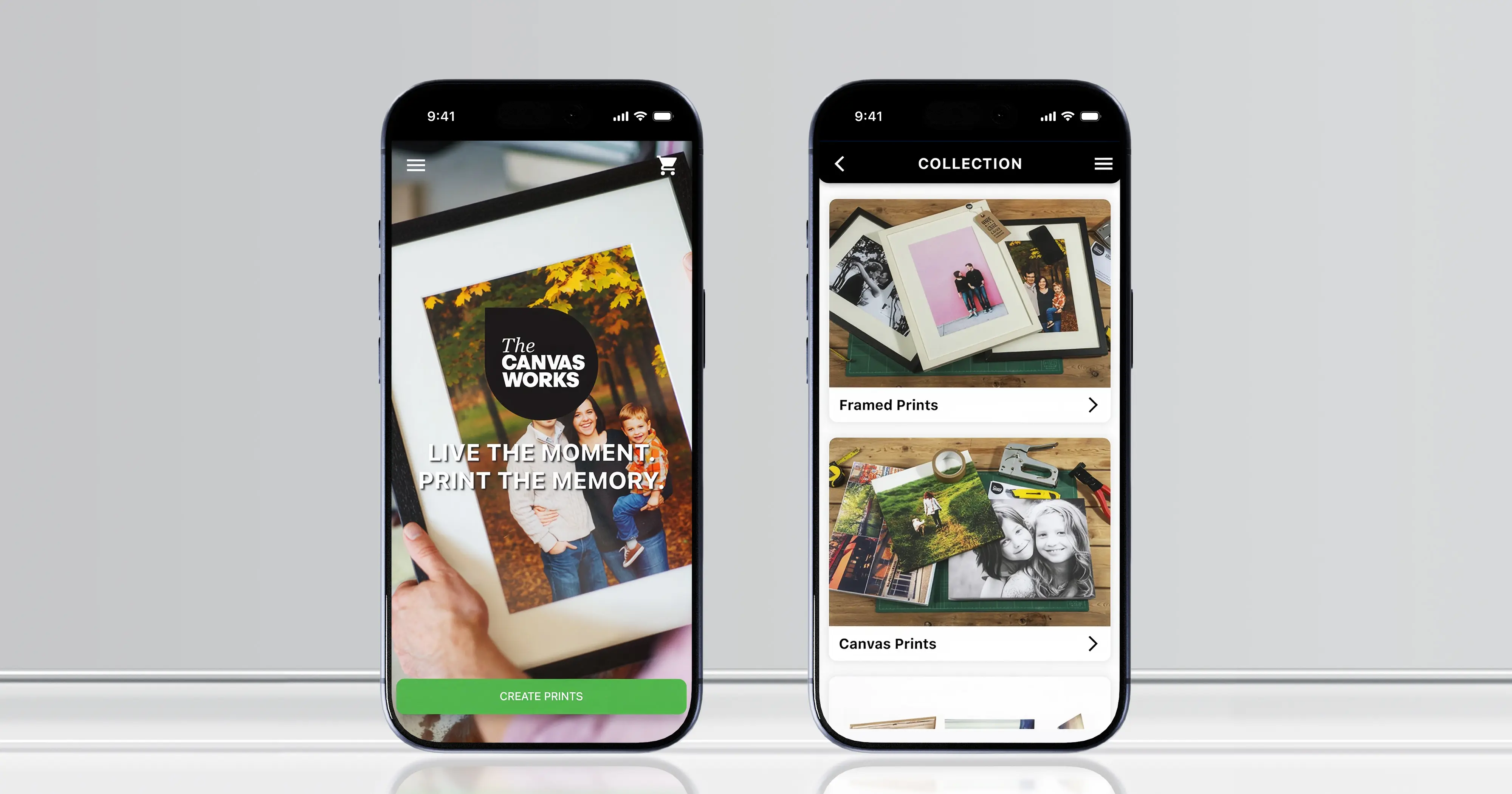
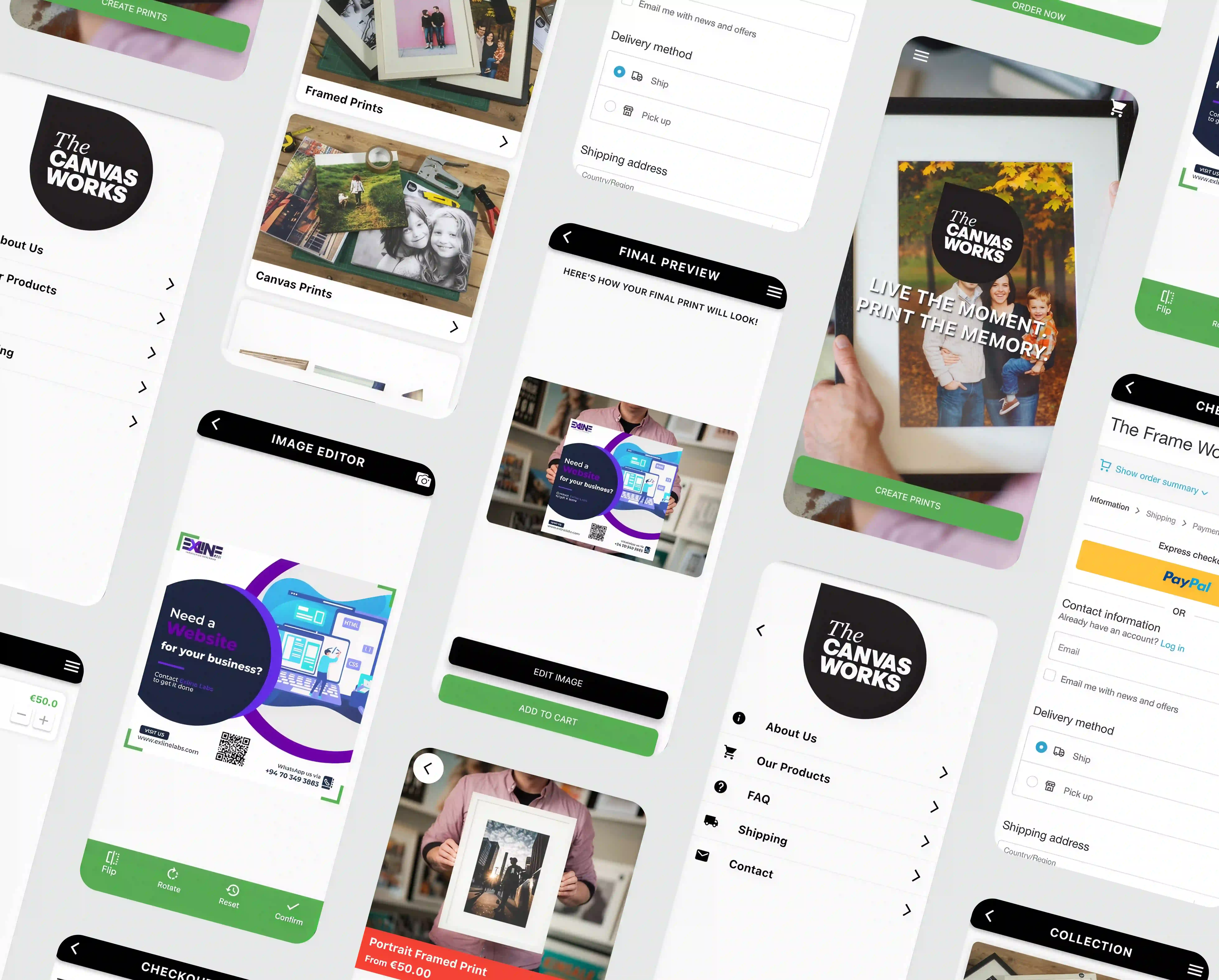
The mobile experience was designed for mobile rather than translated from desktop. Personalisation takes fewer steps, controls are sized for thumbs, and the interface strips back to what someone ordering a canvas print actually needs on a phone. The result is an app that is faster than the mobile website while running on identical business logic, which is the outcome the brief asked for and the one most app projects miss.
Result and impact
The app became a measurable revenue contributor rather than a branding exercise, and it did so without changing how the business runs internally. No new admin, no migrated data, no retrained staff, no interruption to trading during the build. That combination is the reason this project is worth reading about: the hard part of adding a mobile channel to a working business is usually everything except the app.
Working with Exline Labs was a very smooth experience from start to finish. What I appreciated most was that they didn't try to overcomplicate things. The app integrates seamlessly with our existing Shopify system, so we didn't need to change how we run the business internally. Overall, Exline Labs delivered exactly what we needed, on time, and with great attention to detail. I'd happily recommend them to any business looking to build a mobile app the right way.
Frequently asked questions
We already have a Shopify store. Do we need an app?
Only if your customers are repeat buyers on mobile. CanvasWorks had both, and 35% of orders moved to the app within weeks of launch. If most of your custom is one-off purchases from desktop, an app will not pay for itself and we will tell you so.
Will an app mean managing orders in two places?
Not if it is built properly. The CanvasWorks app runs on Shopify's APIs and shares the existing admin panel, so staff manage everything where they always did. A second backend is how operational errors start.
Is this just the website in an app wrapper?
No, and the difference is what makes an app worth building. Functionality mirrors the site, but personalisation takes fewer steps, controls are sized for touch, and repeat buyers get a shorter checkout. A wrapped site is cheaper to build and gets deleted.
How long does a Shopify mobile app take?
CanvasWorks went to beta in six weeks and production in eight, on a sprint-driven plan. Extending an existing commerce backend is faster than building one, which is most of why that timeline was possible.
Will our store keep trading during the build?
Yes. CanvasWorks traded uninterrupted throughout, because the app was built alongside the live store rather than replacing anything in it.
Do you build for iOS and Android separately?
Not usually. CanvasWorks was built in Flutter, so one codebase serves both platforms and both launched together, which also keeps later iteration cheaper.
How much does a mobile e-commerce app cost?
Cost follows how much of your commerce backend already exists, how much product customisation is involved, and whether designs are in place. Every project is quoted with fixed scope and price in writing before work starts.
We already have a Shopify store. Do we need an app?
Only if your customers are repeat buyers on mobile. CanvasWorks had both, and 35% of orders moved to the app within weeks of launch. If most of your custom is one-off purchases from desktop, an app will not pay for itself and we will tell you so.
Is this just the website in an app wrapper?
No, and the difference is what makes an app worth building. Functionality mirrors the site, but personalisation takes fewer steps, controls are sized for touch, and repeat buyers get a shorter checkout. A wrapped site is cheaper to build and gets deleted.
Will our store keep trading during the build?
Yes. CanvasWorks traded uninterrupted throughout, because the app was built alongside the live store rather than replacing anything in it.
How much does a mobile e-commerce app cost?
Cost follows how much of your commerce backend already exists, how much product customisation is involved, and whether designs are in place. Every project is quoted with fixed scope and price in writing before work starts.
Will an app mean managing orders in two places?
Not if it is built properly. The CanvasWorks app runs on Shopify's APIs and shares the existing admin panel, so staff manage everything where they always did. A second backend is how operational errors start.
How long does a Shopify mobile app take?
CanvasWorks went to beta in six weeks and production in eight, on a sprint-driven plan. Extending an existing commerce backend is faster than building one, which is most of why that timeline was possible.
Do you build for iOS and Android separately?
Not usually. CanvasWorks was built in Flutter, so one codebase serves both platforms and both launched together, which also keeps later iteration cheaper.
Got a store that should have an app?

Tell us what you sell and how your customers buy. We will give you an honest view of whether an app would pay for itself, and what it would cost.
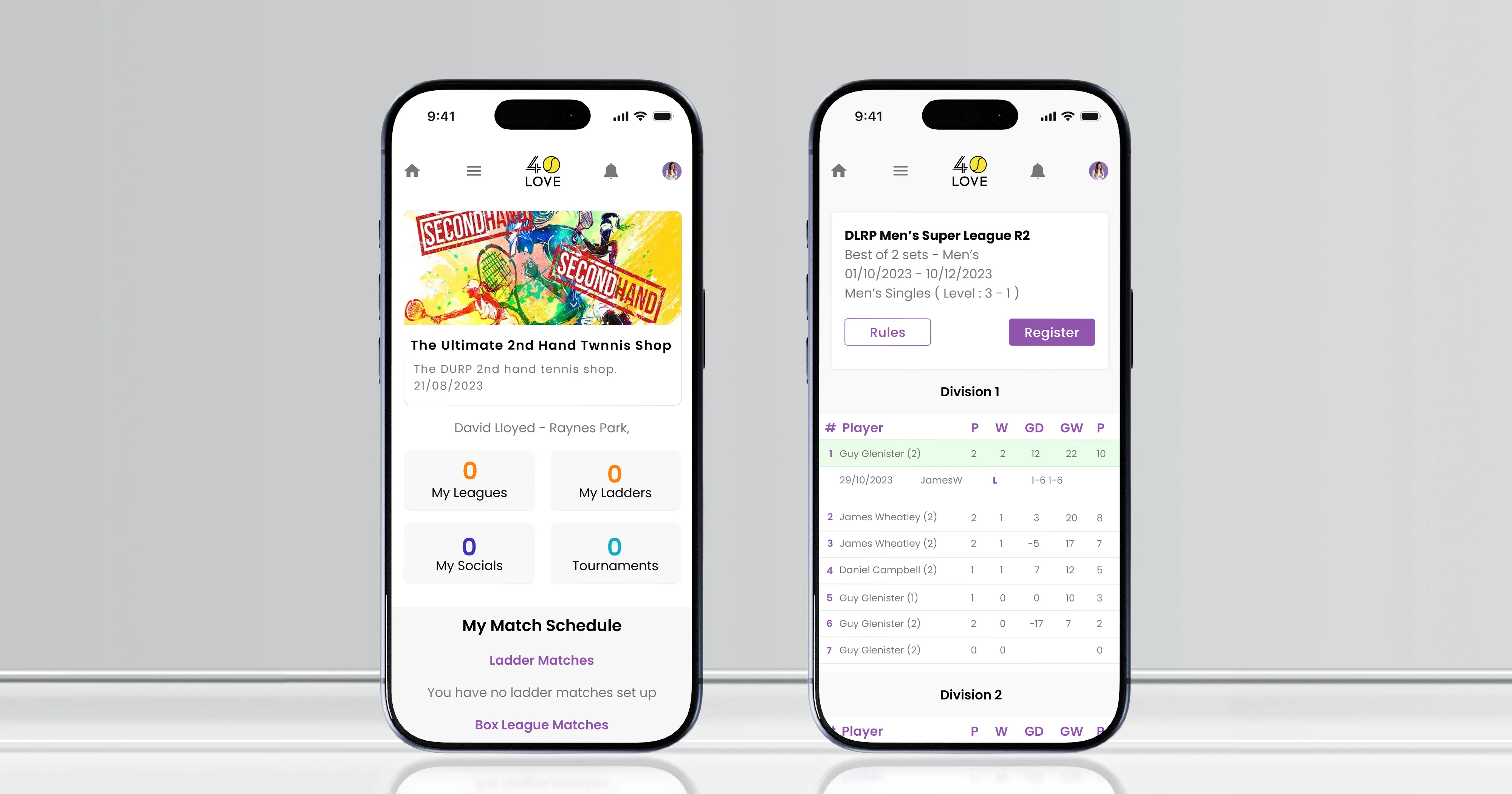
40Love mobile app MVP
Another Flutter app built to extend a product people were already using on their phones. See that case study.
Read the case study →